
Hours vary Jacksonville (904) 699-2626
Strictly Builders Inc
Hardwood and Engineered Wood Floor Installation

Family-owned · Jacksonville Local

Hardwood and Engineered Wood Floor Installation

Solid hardwood and engineered wood installed right, from subfloor prep to final finish.

Free estimate

Tell us what you need

Three fields. It reaches a person here, not a call centre.

No obligation · Responds within 1 business day


By submitting this form you agree that we may contact you about your request and share your details with partner companies for marketing purposes.

Hardwood and Engineered Wood Installation Options

Hardwood and engineered wood floor installation is one of those jobs that looks straightforward until the first plank goes down crooked or the subfloor wasn't leveled first. At Strictly Builders Inc, Ryan Alson has been installing both solid hardwood and engineered wood for three years, handling everything from subfloor assessment through final trim and transition strips. If you're comparing materials or trying to figure out which product holds up in a Florida home, call for a free estimate before you buy a single box.

Solid hardwood and engineered wood aren't the same product, and the right choice depends on where the floor is going, what's under it, and how much humidity the space sees. Engineered wood handles moisture variation better than solid hardwood, which makes it a practical choice for slab-on-grade construction common throughout this region. Solid hardwood can be refinished multiple times over decades, which matters if you're planning to stay long-term. Cost drivers include square footage, existing floor removal, subfloor condition, species and grade of wood, and plank width. Wide-plank formats take more time to acclimate and install precisely. If the subfloor needs leveling or flooring repairs and patching before installation begins, that's factored in before work starts, not discovered mid-job. Every job is different, contact Strictly Builders Inc for an accurate estimate.

Solid Hardwood vs. Engineered Wood

The material decision shapes everything that follows, species, install method, subfloor requirements, and long-term maintenance.
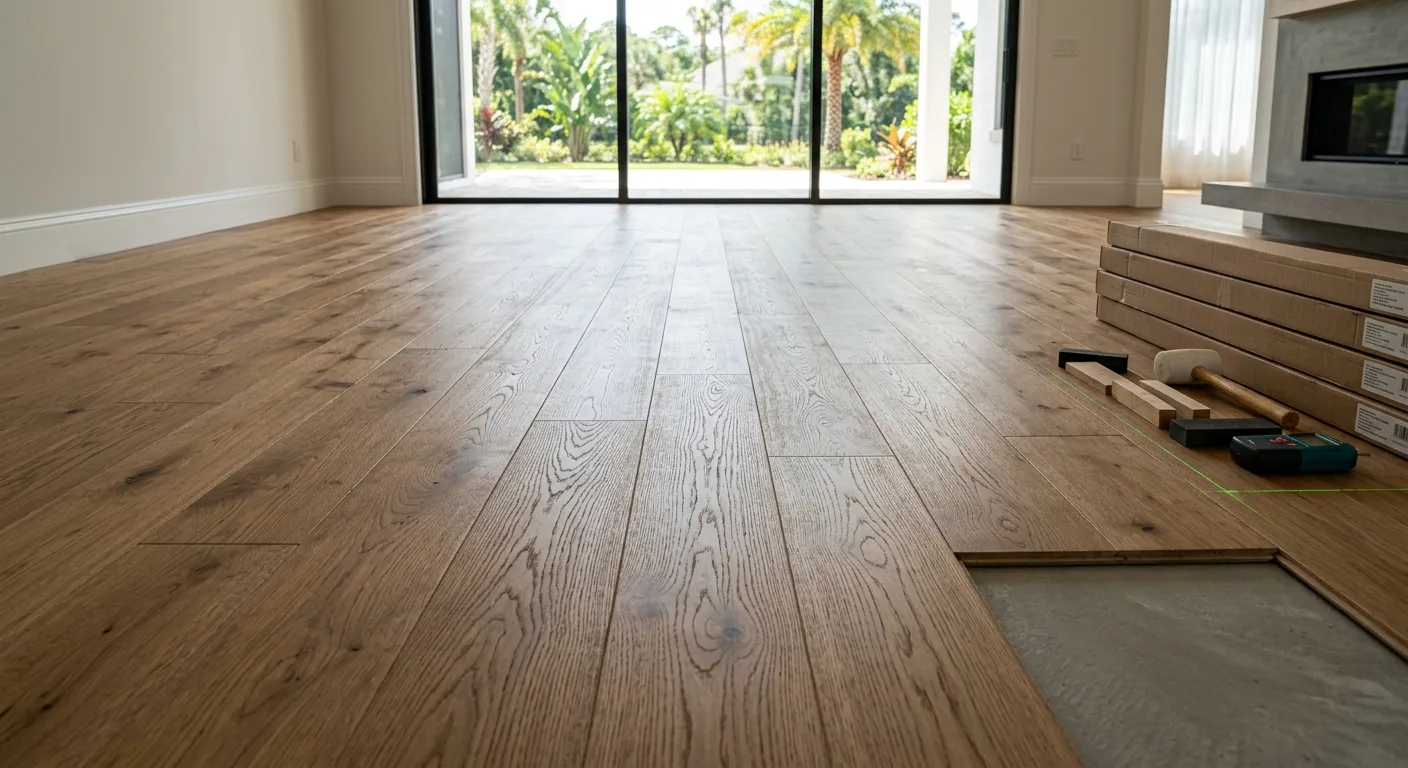
Solid hardwood is milled from a single piece of wood, typically 3/4-inch thick, and it's nailed or stapled to a wood subfloor. It can be sanded and refinished four to six times over its life, which is a real number, not a sales pitch. The downside: it expands and contracts with humidity. Florida summers will move a floor that wasn't acclimated properly. Engineered wood has a real hardwood veneer over a plywood core. It's dimensionally more stable, can go over concrete with the right adhesive or underlayment, and still looks like hardwood because the top layer is hardwood. The veneer thickness determines how many times it can be refinished. Thin-veneer engineered products can't be sanded at all. Strictly Builders sources and installs both, and we'll tell you honestly which one makes sense for your space before you're locked into a purchase.
oak work, professional service in Jacksonville, FL

Hardwood Works Alongside Other Trades
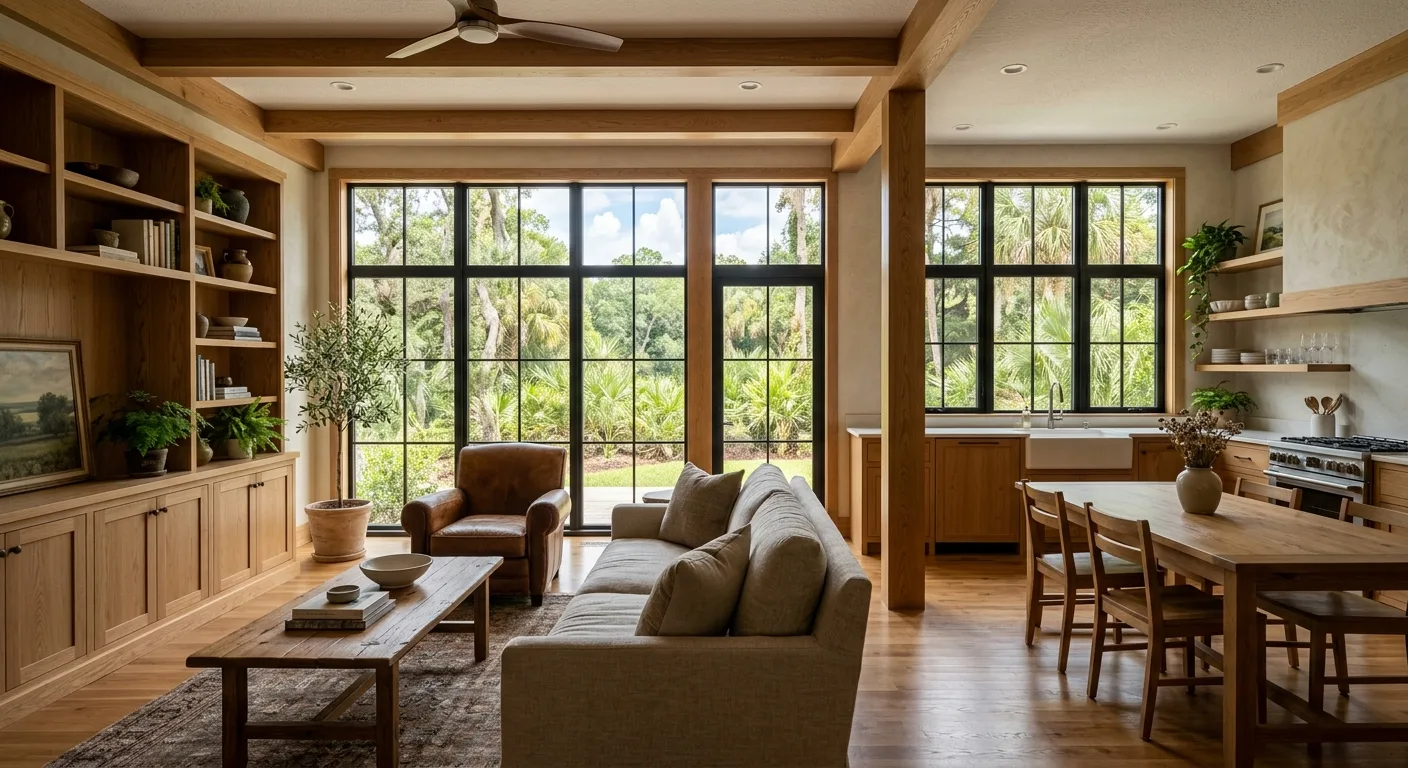
Flooring rarely happens in isolation. A kitchen remodel often means new flooring through the kitchen and into adjacent rooms. A bathroom gut means tile in the wet areas and hardwood or luxury vinyl plank (LVP) in the hall outside it. Strictly Builders handles the full scope under one contractor, so the floor installer and the tile setter aren't two separate crews with two separate schedules. If you're also looking at bathroom remodels or room additions that tie into new flooring, that coordination is built in, not bolted on afterward. The same applies to tiling in adjacent spaces where hardwood and tile need a clean, level transition between them.
wide plank engineered work, professional service in Jacksonville, FL

Process

How Strictly Builders Handles a Flooring Job

  1. 01

    Site Visit and Assessment

    Ryan walks the space, checks the subfloor condition, measures square footage, and identifies any moisture or leveling issues before a number is given. No estimates by phone for flooring jobs. The floor has to be seen.

  2. 02

    Material Selection and Procurement

    Species, finish, plank width, and install method get confirmed before material is ordered. If you've already bought material, we'll inspect it for grade consistency and acclimate it correctly on-site.

  3. 03

    Installation and Finishing

    Work proceeds in one continuous sequence from subfloor prep through trim installation. No half-finished floors left overnight unless the space genuinely requires a staged approach.

Species, Grades, and Formats Worth Knowing

01

Oak

Domestic red and white oak. Open grain hides minor dents. Takes stain predictably. The workhorse of residential hardwood.

02

Hickory

Harder than oak with natural color variation. Good for high-traffic areas. Less uniform appearance than oak or maple.

03

Maple

Dense, smooth-grained, often used in contemporary spaces. Difficult to stain evenly, best in natural or lightly tinted finishes.

04

Wide Plank Engineered

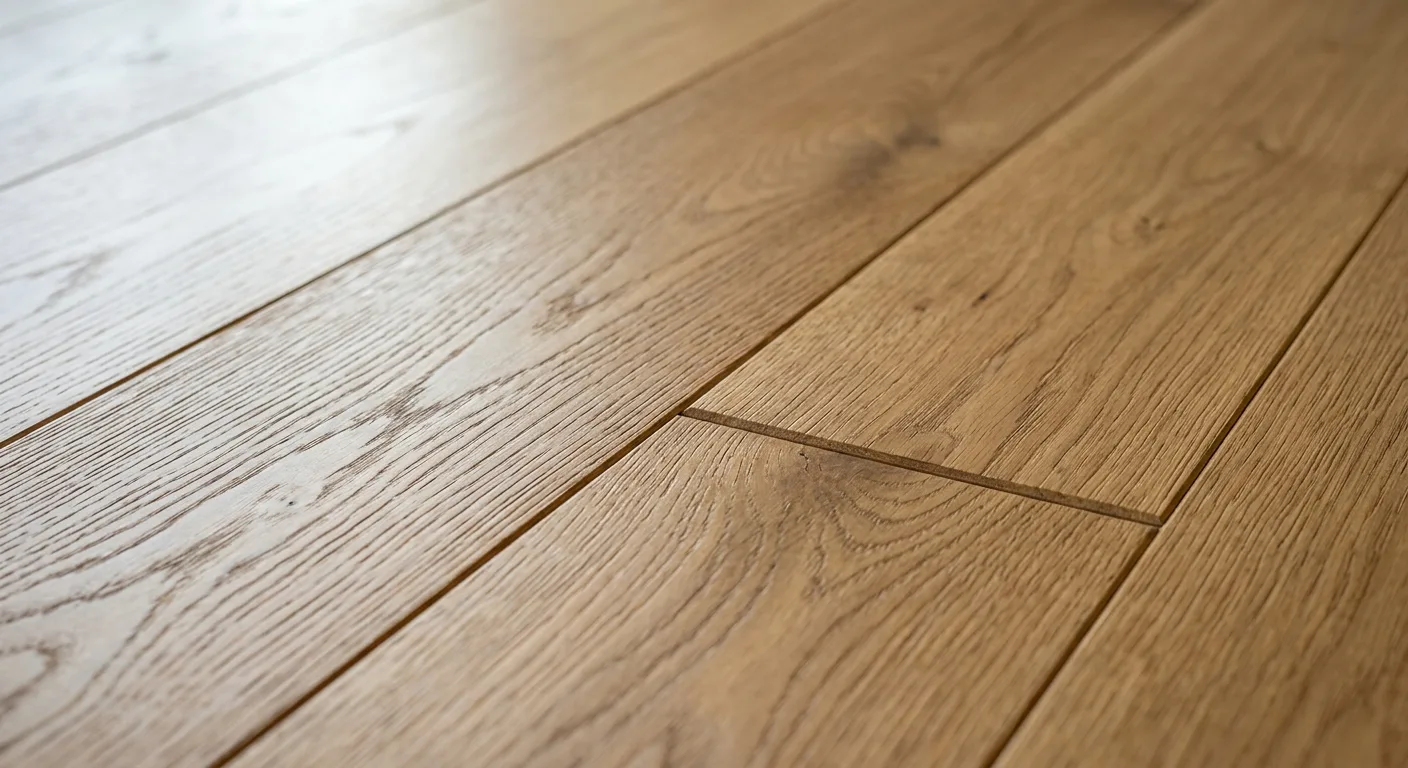
5-inch to 9-inch planks with real wood veneer over plywood core. Stable enough for Florida slab construction when installed with the right adhesive.

Areas We Install Hardwood and Engineered Wood

Strictly Builders installs hardwood and engineered wood flooring across the region, including beach communities where humidity is a real factor in material selection.

Get a Free Estimate on Wood Flooring

Frequently asked questions

What's the difference between solid hardwood and engineered wood for a Florida home?
Solid hardwood expands and contracts with humidity changes. In Florida's climate, that movement is significant enough to cause cupping or gapping if the floor wasn't acclimated properly or if the subfloor moisture wasn't tested first. Engineered wood has a plywood core that resists dimensional change, making it a more stable option over concrete slabs common in this region. Solid hardwood is still installed here successfully, but it requires stricter site conditions and acclimation protocol.
How long does hardwood floor installation take for an average room?
A single room of 200 to 300 square feet typically takes one to two days when the subfloor is already in good condition. Larger open areas with multiple transitions take longer. If the subfloor needs leveling or patching, that adds time before a single plank goes down. Acclimation of the wood itself requires 48 to 72 hours in the space before installation begins, and that clock starts when the material is delivered.
Can engineered hardwood be installed directly over concrete?
Yes, with conditions. The concrete slab must be tested for moisture vapor emission before any wood product goes over it. Engineered wood can be glued directly to concrete or floated over an underlayment designed to manage vapor. Nail-down or staple-down methods require a wood subfloor. Skipping the moisture test is where slab installations fail, usually within the first year after install.
How wide of a plank can be installed in a residential space?
Wide-plank hardwood runs from 5 inches to 9 inches or wider. Wider planks require a flatter subfloor, longer acclimation time, and more precise installation to avoid visible gaps at the edges. They also show more natural wood character, including grain variation and knots depending on grade. The tradeoff is real: wide plank looks better in the right space but is less forgiving of subfloor irregularities than narrower strip flooring.
What subfloor conditions need to be fixed before wood flooring goes down?
The subfloor needs to be flat within 3/16 of an inch over 10 feet for most wood flooring products, and some engineered products require even tighter tolerances. High spots are ground down, low spots are filled with floor leveling compound, and any squeaky or soft areas in the plywood subfloor get secured or replaced before installation starts. Installing over a subfloor that isn't prepped correctly voids most manufacturer warranties on the flooring product itself.
How many times can engineered hardwood be refinished?
It depends entirely on the veneer thickness. Thin-veneer engineered products, typically 1 to 2 millimeters, can't be sanded at all without cutting through to the core. Mid-grade engineered wood with a 3 to 4 millimeter veneer can usually be lightly sanded and refinished once. Thick-veneer products at 6 millimeters and above can handle two or three refinishes over their lifetime. The product spec sheet will list the veneer thickness, and it's worth confirming before purchase if refinishing is part of the long-term plan.

Related