
Family-owned · Jacksonville Local
Flooring Repairs and Patching That Hold Long-Term
Spot repairs, subfloor patching, and full panel replacements handled by one licensed contractor.
Free estimate
Tell us what you need
Three fields. It reaches a person here, not a call centre.
Flooring Repairs and Patching We Handle
A damaged floor doesn't always mean a full replacement. Flooring repairs and patching, done correctly, can restore your floor to a seamless finish without tearing out an entire room. The key word is correctly. A bad patch stands out permanently. At Strictly Builders Inc, Ryan Alson has spent 3 years matching materials, blending stain grades, and cutting clean seams on hardwood, LVP, tile, and laminate across dozens of residential and commercial projects. Call us before you assume the worst. The repair might be simpler than you think, and we'll tell you straight whether a patch makes sense or whether replacement is the better long-term move.
What drives the cost of a flooring repair is scope, not the damage itself. A single cracked tile costs far less to address than a section of subfloor that's been holding moisture for six months. Material matching is its own challenge on hardwood floors, especially in older homes where the original species or finish isn't in production anymore. We handle the full picture: pulling the damaged section, assessing what's underneath, sourcing a close match, and finishing the seam so it doesn't read as a patch from across the room. For floors that need more than spot work, our hardwood refinishing service covers full-surface sanding and recoating. Every job is different, contact Strictly Builders Inc for an accurate estimate.
Every Floor Type We Repair
One contractor, every surface, no referral chain.
Hardwood Repair and Patching
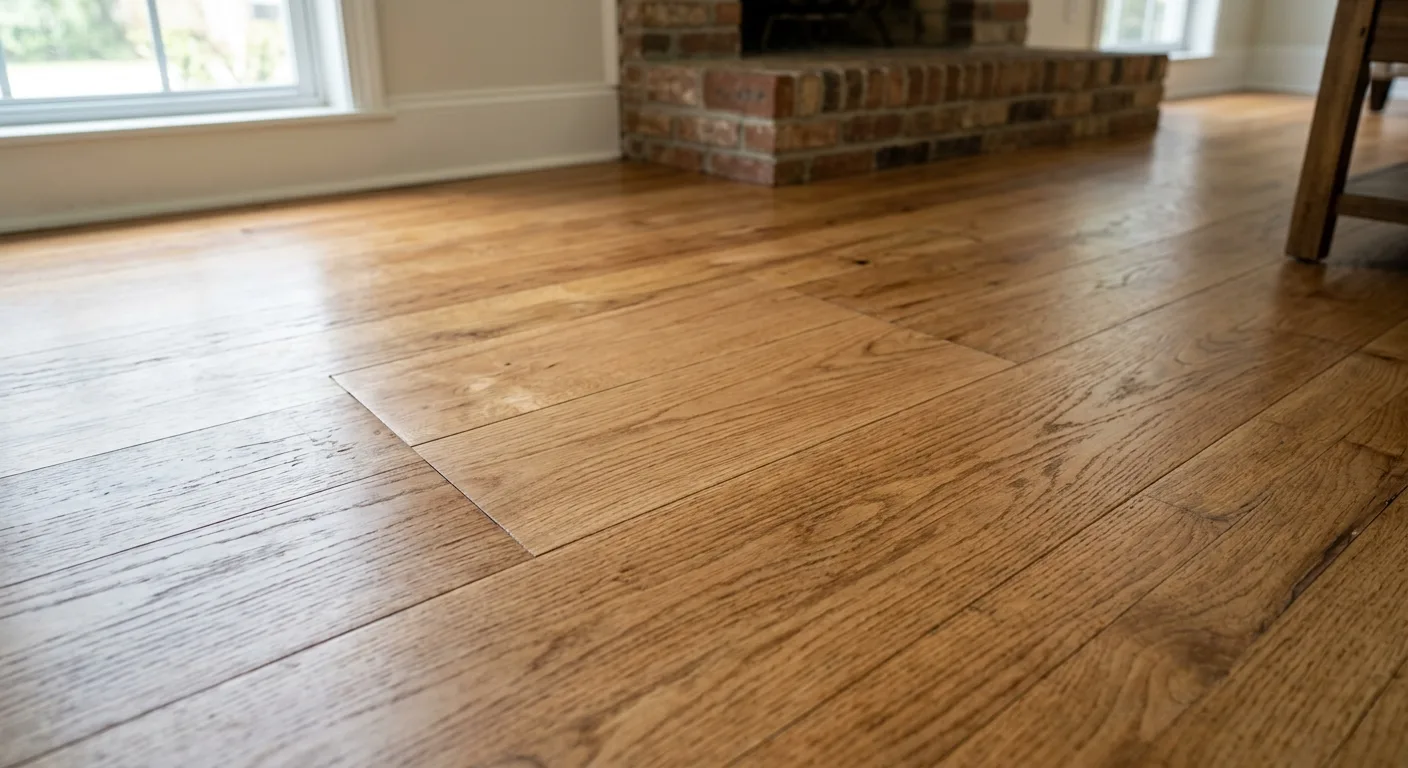
Cupped boards, gouges, and split planks can often be cut out and replaced plank by plank without disturbing the rest of the floor. We source matching species where possible and blend the finish to the existing floor. Boards that are structurally sound but cosmetically rough usually go to hardwood refinishing first before we call a patch necessary.
LVP and LVT Panel Replacement
Luxury vinyl panels click into a floating system, which makes spot repair cleaner than most people expect. We pull from the nearest wall or a low-traffic transition point, replace the damaged planks, and reinstall. If your original panels are out of stock, we source the closest match in thickness and texture. Full luxury vinyl tile installation is also available if the damage is widespread.
Tile Repairs and Grout Replacement
Cracked tiles, hollow tiles, and failed grout joints are separate problems that often get lumped together. We diagnose whether it's a tile issue, a substrate issue, or a moisture problem before we touch anything. Replacing one tile without addressing why it cracked means you'll be calling someone again in six months. Our floor tile installation work follows the same standard.
Subfloor Patching
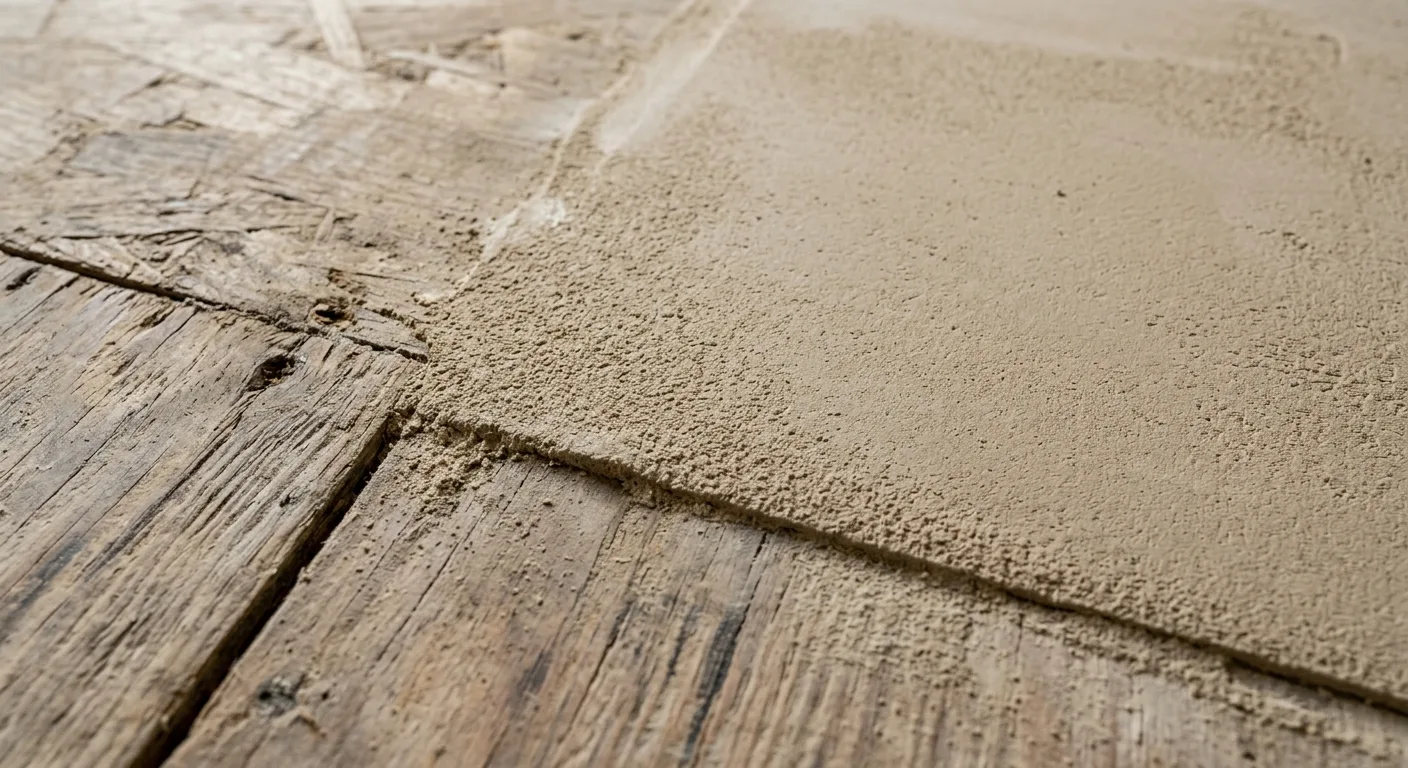
Soft spots, flex, and squeaks usually point to subfloor damage, not just surface wear. We open the floor, assess the extent, remove compromised OSB or plywood, and patch with material that matches the existing deck height. Getting the patch level is non-negotiable. An unlevel subfloor telegraphs through every finish layer above it.
Laminate Flooring Repair
Laminate can't be refinished, so damage means replacement. We pull damaged sections back to the nearest seam, replace the affected planks, and reinstall. Swelling from moisture is the most common issue we see. If the source of the moisture isn't addressed first, the repair won't last. We'll tell you that upfront.
Our Process
How a Flooring Repair Gets Done Right
- 01
Assess Before Touching Anything
We look at the damage, probe the subfloor, and check for moisture. A surface crack can hide a bigger problem underneath. You get an honest read on what's actually going on before any work starts.
- 02
Source the Match and Prep the Area
Material matching is where cheap repairs fail. We source a close match in species, color, thickness, and finish, then prep the surrounding area so the repair doesn't damage what's already good.
- 03
Cut, Replace, and Finish Clean
We cut clean seams, replace the damaged section, and finish to match. On hardwood, that means staining and coating the new board to blend with the existing floor. The goal is a patch you stop noticing.
Know the Difference
Repair First, Replace Only When Necessary
- 01
When a Repair Makes Sense
Isolated damage, a single cracked tile, one cupped plank, a small soft spot in the subfloor, is almost always a repair situation. Replacing an entire floor because one section failed is a waste of money. We won't recommend full replacement unless the floor's condition genuinely warrants it.
- 02
When Replacement Is the Honest Call
Widespread moisture damage, failing adhesive across a large area, or a floor that's been refinished down to its wear layer are scenarios where patching is just delaying the inevitable. We'll tell you when you're at that point, not string you along.
- 03
When the Subfloor Changes Everything
Surface repairs fail when the problem is structural. If your subfloor is rotted, delaminated, or unlevel across a significant area, the finish floor repair won't hold. We fix the foundation first. Every repair we do gets scoped from the bottom up.
Repairs on Stairs and Transitions Too
Areas Where We Do Flooring Repair Work
We cover Northeast Florida for flooring repairs, patching, and subfloor work, including homes in older neighborhoods where matching original materials takes extra care.
Flooring Repair Questions We Hear Most
Can you spot repair a hardwood floor without refinishing the whole thing?
Can LVP flooring be patched if only a few planks are damaged?
What causes a soft spot in a wood floor, and can it be fixed without replacing the whole floor?
Can laminate flooring be patched, or does it always need full section replacement?
How do I know if a cracked tile is a tile problem or a subfloor problem?
How long does a flooring repair typically take to complete?
Get Your Flooring Repair Scoped Today
Don't guess at whether it's a patch or a replacement. We'll look at it and give you a straight answer.