
Family-owned · Jacksonville Local
Soundproofing and Underlayment That Actually Performs
Installed under every floor type, hardwood, LVP, tile, and carpet, for real noise reduction and long-term performance.
Free estimate
Tell us what you need
Three fields. It reaches a person here, not a call centre.
Underlayment and soundproofing done correctly
Underlayment isn't glamorous work, but skipping it or doing it wrong is one of the most expensive mistakes in flooring. Soundproofing and underlayment decisions get made before the first plank goes down, and once that floor is installed, you're locked in. Ryan Alson and the crew at Strictly Builders Inc have been doing flooring installations in the Jacksonville area for three years, and the number of floors we've pulled up because the wrong underlayment was used under the wrong product tells you everything you need to know about why this step matters. Call us before the floor goes in, not after.
The right underlayment depends on what's going above it and what's happening below it. LVP over a concrete slab needs a different product than hardwood over a wood subfloor. Multi-family builds have different acoustic demands than single-family homes. Subfloor condition, moisture levels, radiant heat, and whether the manufacturer's warranty requires a specific pad thickness all factor into what gets installed. We spec the underlayment to the project, not to whatever's cheapest on the pallet. Cost drivers include floor type, square footage, subfloor condition, and acoustic rating required. Every job is different, contact Strictly Builders Inc for an accurate estimate.
Why underlayment changes the entire floor
Noise Reduction
Impact noise, footsteps, dropped items, chair legs scraping, travels through hard floors directly into the subfloor and into the room below. A proper acoustic underlayment breaks that transmission path. The IIC and STC ratings on underlayment products are real measurements, not marketing. We match the rating to what the space actually needs.
Moisture Barrier
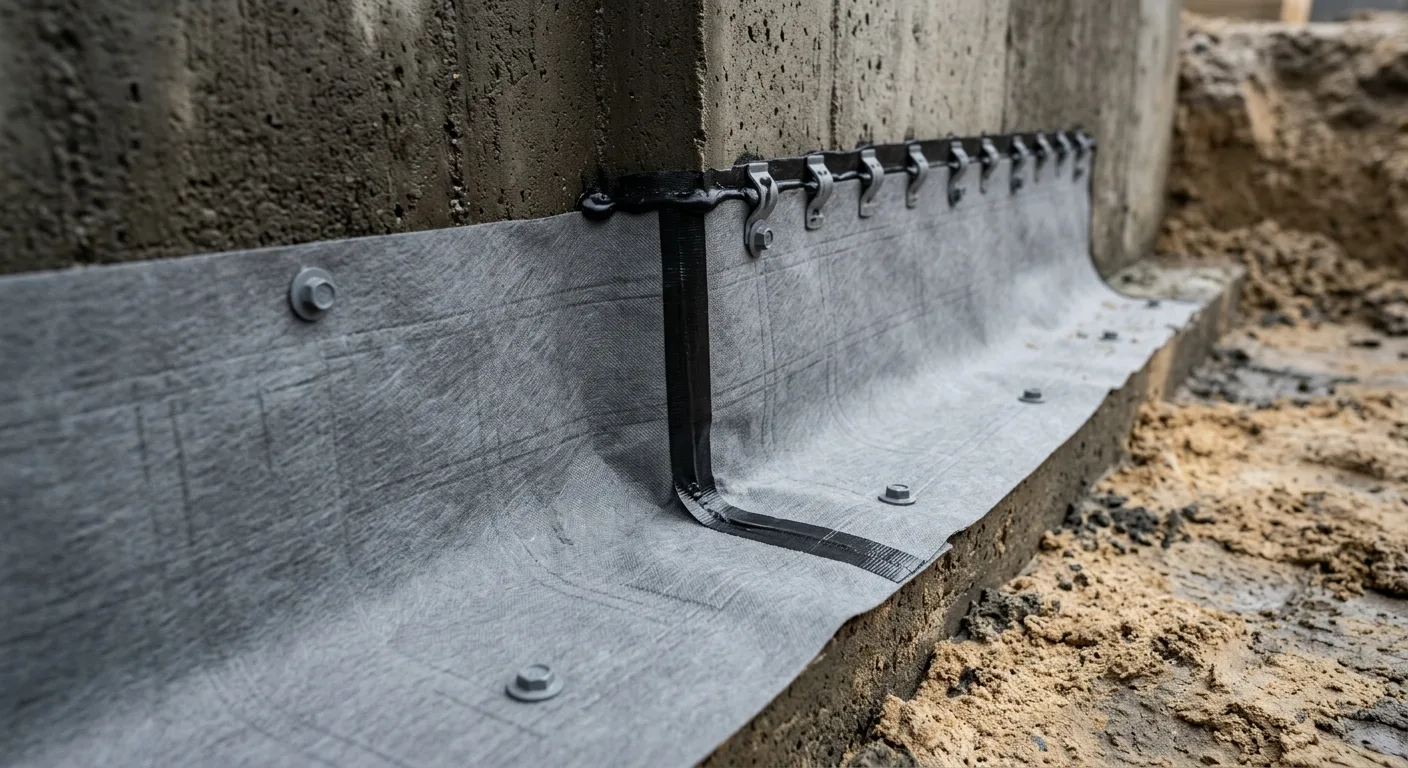
Concrete slabs off-gas moisture. Wood subfloors in older homes can hold humidity after rain. Without a vapor barrier layer in the underlayment stack, that moisture migrates into flooring adhesive, into locking joints, and into the wear layer. Floors swell, buckle, or delaminate. The fix is always more expensive than the barrier.
Subfloor Leveling
Underlayment with compression ratings can absorb minor subfloor irregularities, but it's not a substitute for actual subfloor prep. We assess the subfloor before we spec the pad. If leveling compound or subfloor repair is needed first, we do that work before anything else goes down.
Manufacturer Warranty Compliance
Most flooring warranties require a specific underlayment type or thickness. Install the wrong product and the warranty is void before the floor sees a single scratch. We know what each product requires and we install accordingly, so if something fails, the manufacturer can't point to the underlayment as the reason.
How We Work
The installation process, step by step
- 01
Subfloor Assessment
We check flatness, moisture levels, and structural integrity before any underlayment goes down. Problems at the subfloor level get addressed first. There's no point in a premium acoustic pad on a damaged or uneven base.
- 02
Product Selection
We match underlayment to the flooring product, the subfloor type, the room's use, and any acoustic or moisture requirements specific to the space. This isn't a one-size decision.
- 03
Installation and Flooring
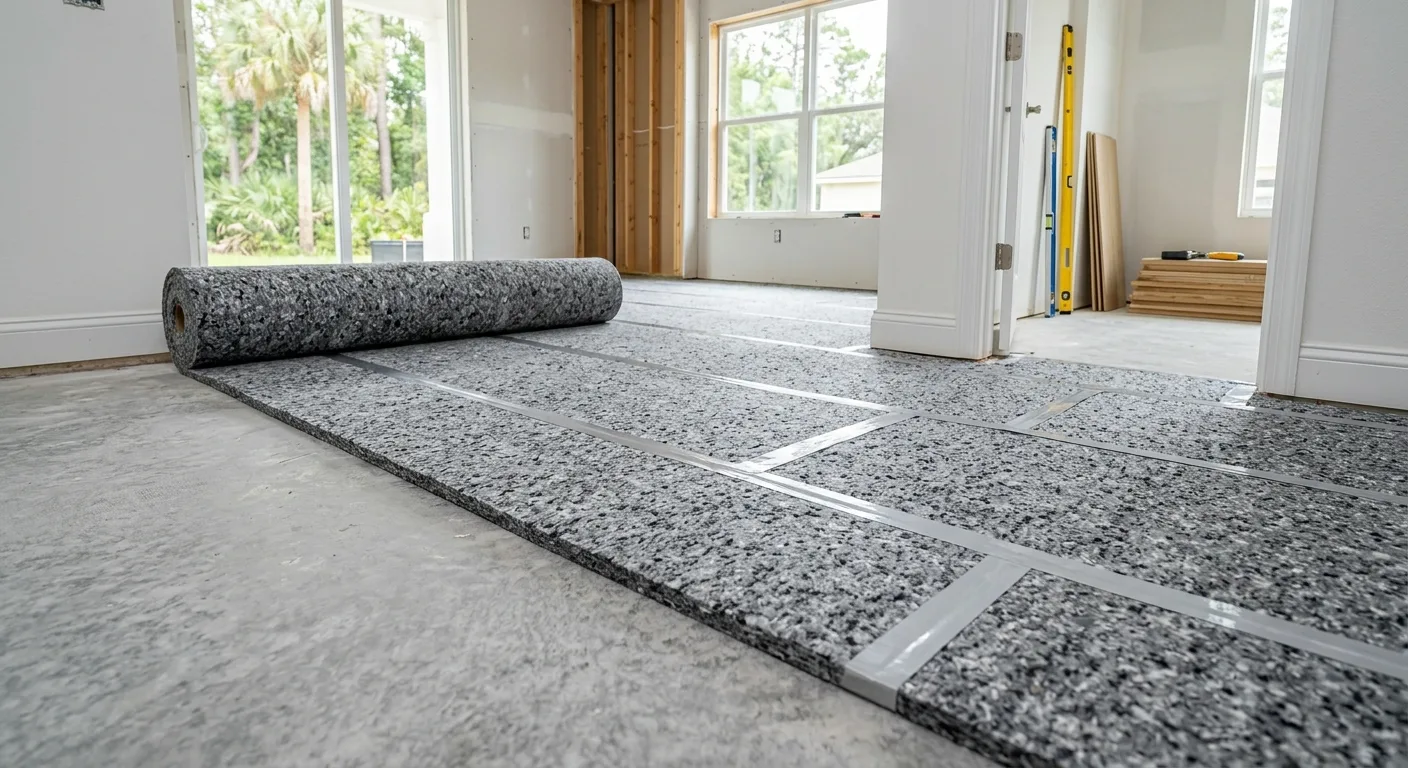
Underlayment goes in seamed, taped, and flat. Then the finish floor follows. We handle both steps under the same project so there's no gap between who's responsible for what.
Material Types
Underlayment options by floor type
- 01
Foam Underlayment (LVP and Laminate)
Standard closed-cell foam is the baseline for floating floors. Some LVP comes with foam pre-attached. We check whether adding a second layer violates the manufacturer's spec before we add anything.
- 02
Cork Underlayment
Higher acoustic performance than foam, natural moisture resistance, and good compression recovery. Better choice for second-floor installations or anywhere impact noise is a real concern.
- 03
Rubber Underlayment
The high end of acoustic underlayment. Used in multi-family construction and commercial spaces where STC and IIC ratings are written into the spec. Heavier, more expensive, and worth it when the rating matters.
- 04
Cement Board and Uncoupling Membrane (Tile)
Tile doesn't float. It bonds. The substrate under tile is cement board or an uncoupling membrane like Schluter Ditra. This is what prevents cracked grout lines when a subfloor flexes. We handle tile shower installation and floor tile with the right substrate for each application.
What separates a good install from a floor you'll pull up in five years
Connect the underlayment to the rest of the project
Underlayment is part of a larger flooring project. Strictly Builders Inc handles carpet installation, epoxy floor coatings, hardwood, LVP, tile, and custom staining, all under the same project, same contractor. No handoff, no finger-pointing between trades.
Get the underlayment right before the floor goes down
The work that goes under the floor determines how long the floor lasts. Call Strictly Builders Inc before installation starts.