
Family-owned · Jacksonville Local
Flooring Installed Flat, Level, and Built to Perform
Every material type, every subfloor condition, handled by one licensed contractor from demo to final trim.
Free estimate
Tell us what you need
Three fields. It reaches a person here, not a call centre.
How We Install Flooring That Holds
Installing flooring isn't just about choosing a material you like, the installation itself determines whether that floor lasts five years or twenty-five. A warped subfloor, a skipped moisture barrier, an uneven transition strip: these aren't minor details, they're the difference between a floor that holds and one you're replacing in three years. Strictly Builders Inc approaches every install with the subfloor prep first and the finish second, because no amount of expensive material recovers a bad foundation. If you're ready to stop guessing which contractor will actually get this right, call us for a free estimate.
The full scope of a flooring install varies considerably depending on what's going on beneath your existing floor. Subfloor condition, square footage, material selection, and whether flooring demolition and removal is part of the job all affect labor and timeline. We handle hardwood, luxury vinyl plank (LVP), luxury vinyl tile (LVT), tile, epoxy floor coatings, and carpet, each with different acclimation requirements, fastening methods, and expansion gap tolerances. Durable material installed wrong still fails; that's why the technical execution is the job, not a step in the job. Every job is different, contact Strictly Builders Inc for an accurate estimate.
MATERIAL SCOPE
Flooring Types We Install and Why It Matters
The material sets the look. The install method sets the performance.
Hardwood Flooring
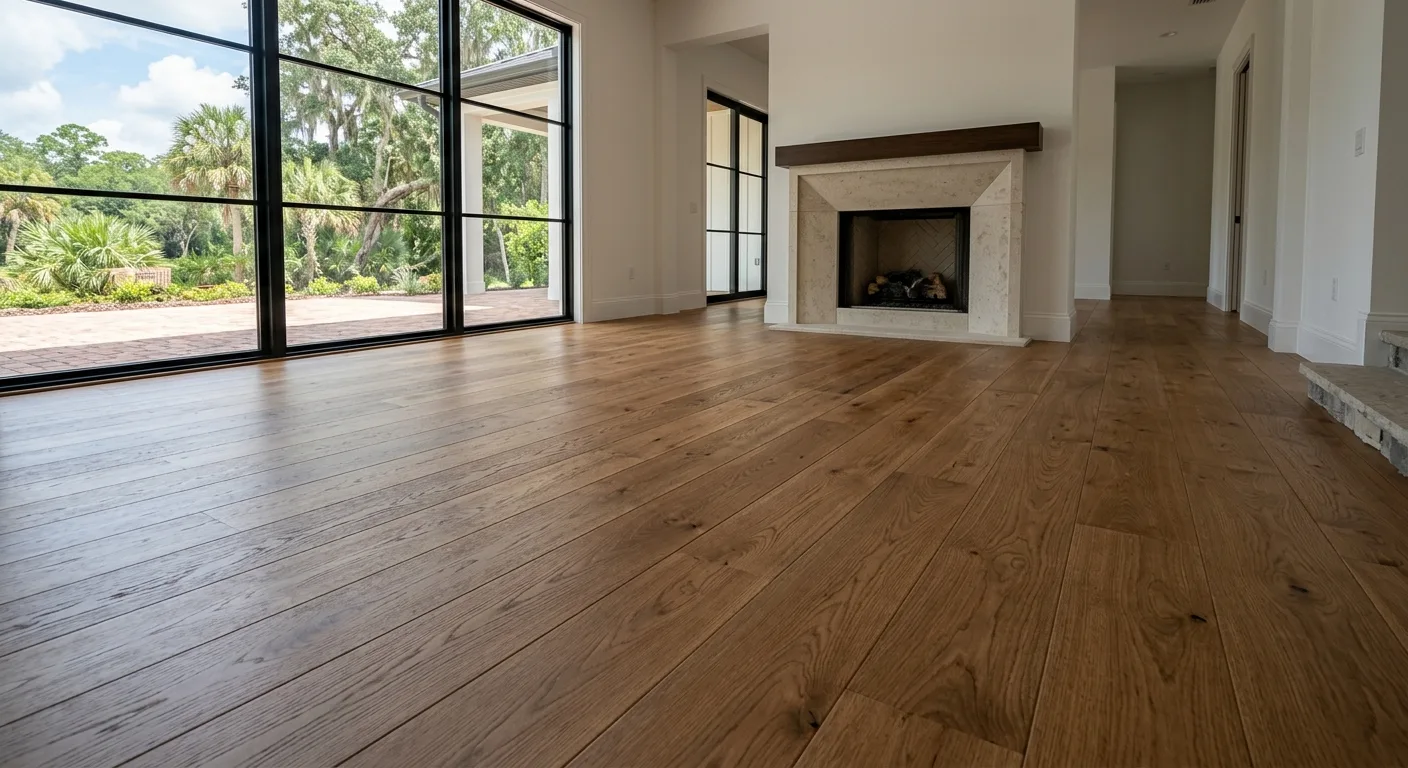
Solid hardwood requires precise moisture readings before a single plank goes down. We nail, staple, or glue depending on the subfloor type and species being installed, and we refinish existing hardwood when replacement isn't necessary.
Luxury Vinyl Plank and Tile
LVP and LVT are forgiving materials, but only when the subfloor is flat to within 3/16 inch over 10 feet. We correct deflections before floating or gluing any plank, which is the step most budget installs skip.
Tile Installation
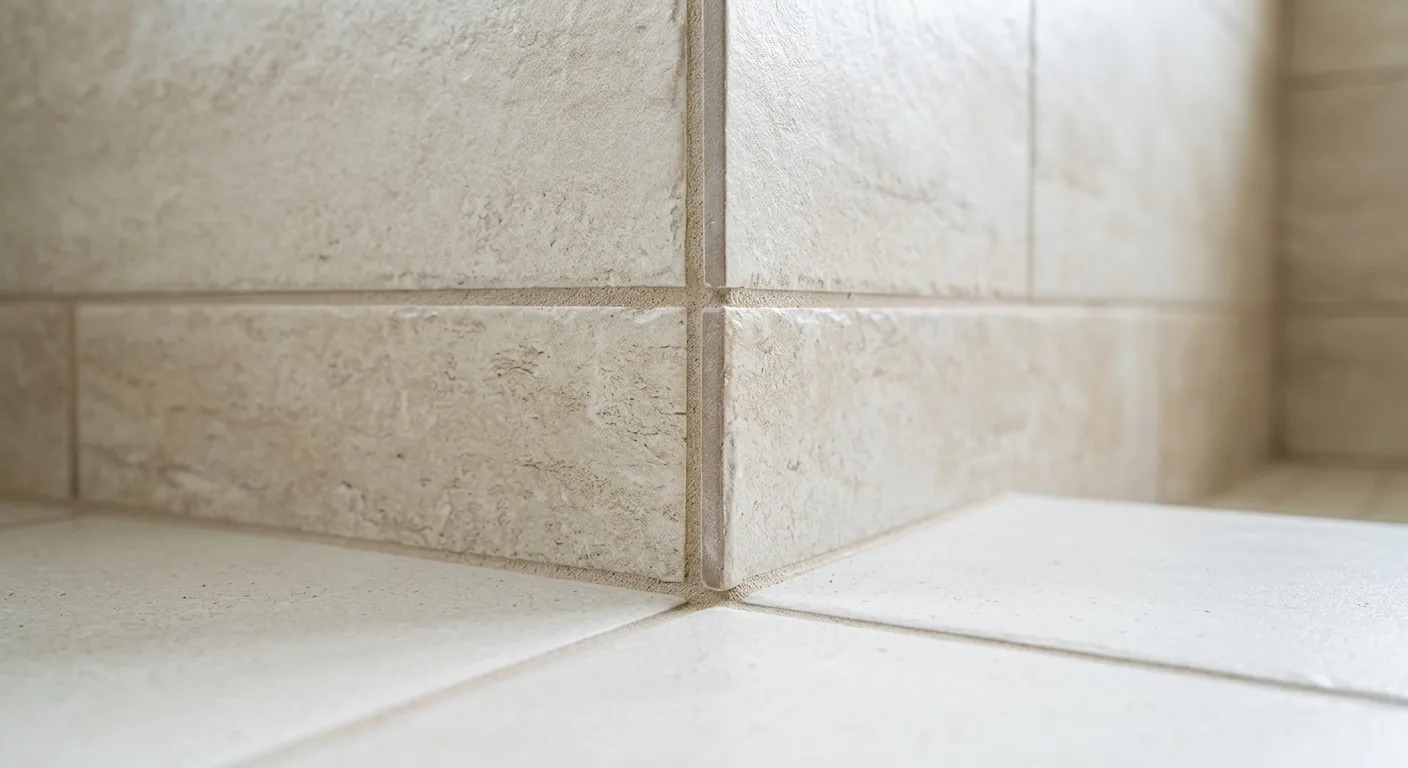
Tile over a flexing subfloor cracks at the grout within months. We assess subfloor rigidity, apply the correct mortar bed, and set proper joints so the finished surface stays intact under daily foot traffic. See how we extend this to tile shower installation as well.
Epoxy Flooring
Epoxy is a surface coating system, not a floor covering, and it fails fast if the concrete beneath it has moisture vapor issues. We test, prep, and apply epoxy systems built for residential and light commercial conditions.
Carpet Installation
Carpet hides subfloor problems until they create noise, soft spots, or premature wear. We inspect and address the substrate before the pad goes down, so the finished install lays flat and stays quiet underfoot.
Custom Borders and Inlays
For homeowners who want more than a standard field installation, we handle custom borders and inlays, mixed material work that requires precise cuts and layout planning before the first piece is set.
HOW IT WORKS
The Install Process, Step by Step
- 01
Subfloor Assessment and Prep
We pull up existing material, inspect the subfloor for rot, deflection, and moisture, and correct any issues before the new floor goes anywhere near the room. This step is non-negotiable.
- 02
Material Acclimation and Layout
Hardwood and some LVP products need time to acclimate to the room's humidity and temperature before install. We plan the layout, expansion gaps, transition points, stair connections, before cutting the first piece.
- 03
Installation and Finish
The material goes down level, square, and properly fastened or floated per manufacturer spec. We finish with baseboards, transitions, and cleanup. You walk in on a floor that's ready, not one that needs touch-ups.
What You're Actually Paying For in a Flooring Install
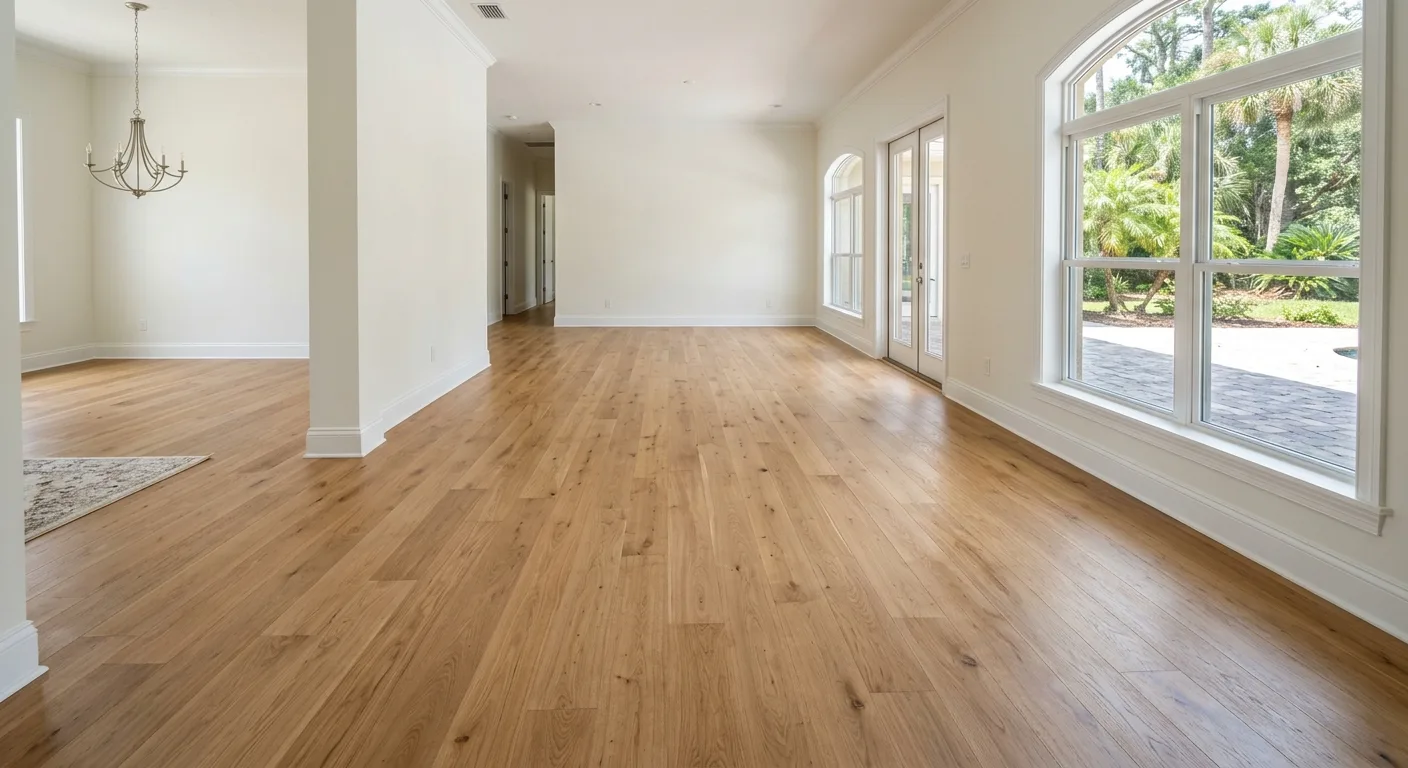
Stair Installations and Floor Continuity
After Installation: Floor Maintenance and Longevity
A well-installed floor still needs the right care to perform at the 20-year mark.
- Proper cleaning protocol per material type
- Hardwood and LVP have different moisture tolerances. We'll tell you exactly what to use and what to avoid.
- Expansion gap integrity over time
- Floors installed without proper gaps will peak or buckle during Florida's humidity swings. Ours won't.
- Wood floor maintenance guidance included
- We connect clients to wood floor maintenance and cleaning resources so the finish investment holds.
- Three years in the trade, every job under Ryan Alson's direct oversight
- No subcontracted crews. The contractor you speak with is the one on site.
TECHNICAL FAQ
Flooring Installation Questions, Answered Directly
What goes down before vinyl flooring is installed?
What is the Rule of 3 for flooring, and does it apply to my project?
How much does it cost to install 1,000 square feet of flooring?
Should I repair or replace my existing subfloor before new flooring goes in?
Can flooring be installed over existing tile or hardwood?
What causes new flooring to squeak or creak after installation?
Ready to Install Flooring That Performs?
One contractor. Every material type. Subfloor prep to final trim.