
Family-owned · Jacksonville Local
Subfloor Repair and Leveling That Starts at the Foundation
Precision leveling and structural subfloor repair before any finish floor goes down.
Free estimate
Tell us what you need
Three fields. It reaches a person here, not a call centre.
Subfloor Repair and Leveling: What the Work Actually Involves
An uneven subfloor isn't a cosmetic problem. It's a structural one, and every finish floor you install over it inherits that flaw. Subfloor repair and leveling means diagnosing why the surface failed, whether that's joist deflection, moisture intrusion, settled fill, or original construction that never met tolerance, and correcting it before a single plank of hardwood or engineered wood or a single tile goes down. At Strictly Builders Inc, Ryan Alson has spent three years building the kind of reputation where clients call back for the next project. If your floor moves underfoot, springs at the seam, or cracks grout lines on a regular schedule, call us before you replace the surface again.
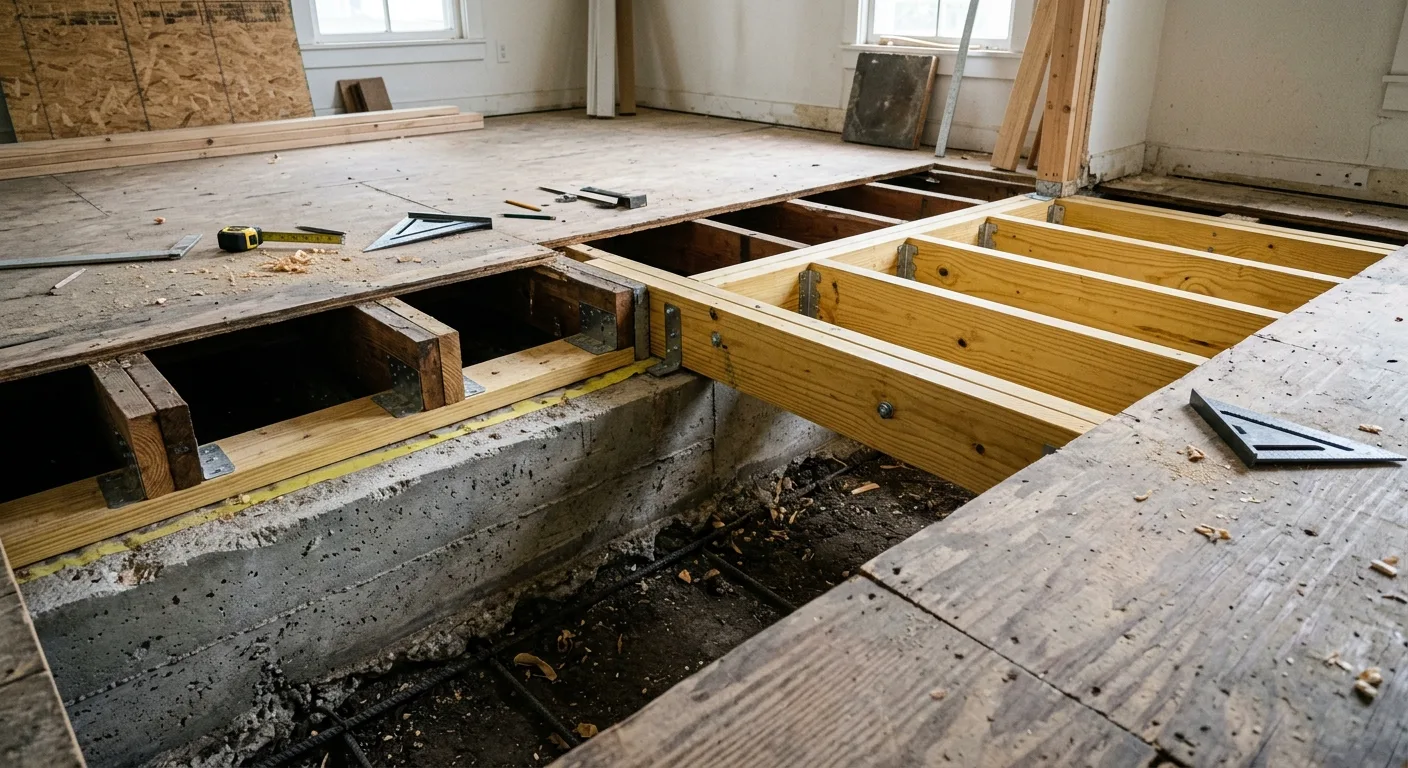
The repair process starts with a structural assessment: joist span, moisture readings, and deflection mapping across the affected plane. From there, the correction depends on what we find. Minor high spots come down with grinding. Depressions get filled with high-compression self-leveling compound, applied in lifts to hold spec. Joists that have lost structural integrity get sistered with new lumber, fastened and glued to restore the original load path. When rot or water damage is involved, affected sheathing is cut out and replaced with exterior-grade panels that match the original thickness and fastener pattern. Tolerance targets differ by finish: LVT installation requires 3/16 inch over 10 feet, hardwood tighter still, and large-format tile tighter than both. We work to finish-floor spec, not general flatness. Cost depends on square footage, depth of damage, joist condition, and how many layers need to come up to reach the problem. Every job is different, contact Strictly Builders Inc for an accurate estimate.
Scope of Work
What We Assess Before Touching the Subfloor
A subfloor repair that skips the diagnostic step is just covering the problem with new material.
Four Subfloor Failure Types We Repair
Most subfloor problems fall into recognizable categories, each with a defined correction path.
Joist Deflection
Joists that have sagged or twisted over time create a consistent bow in the subfloor above. We sister new lumber alongside compromised joists, restoring the load path and bringing the surface back to level before any sheathing or compound work begins.
Moisture and Rot Damage
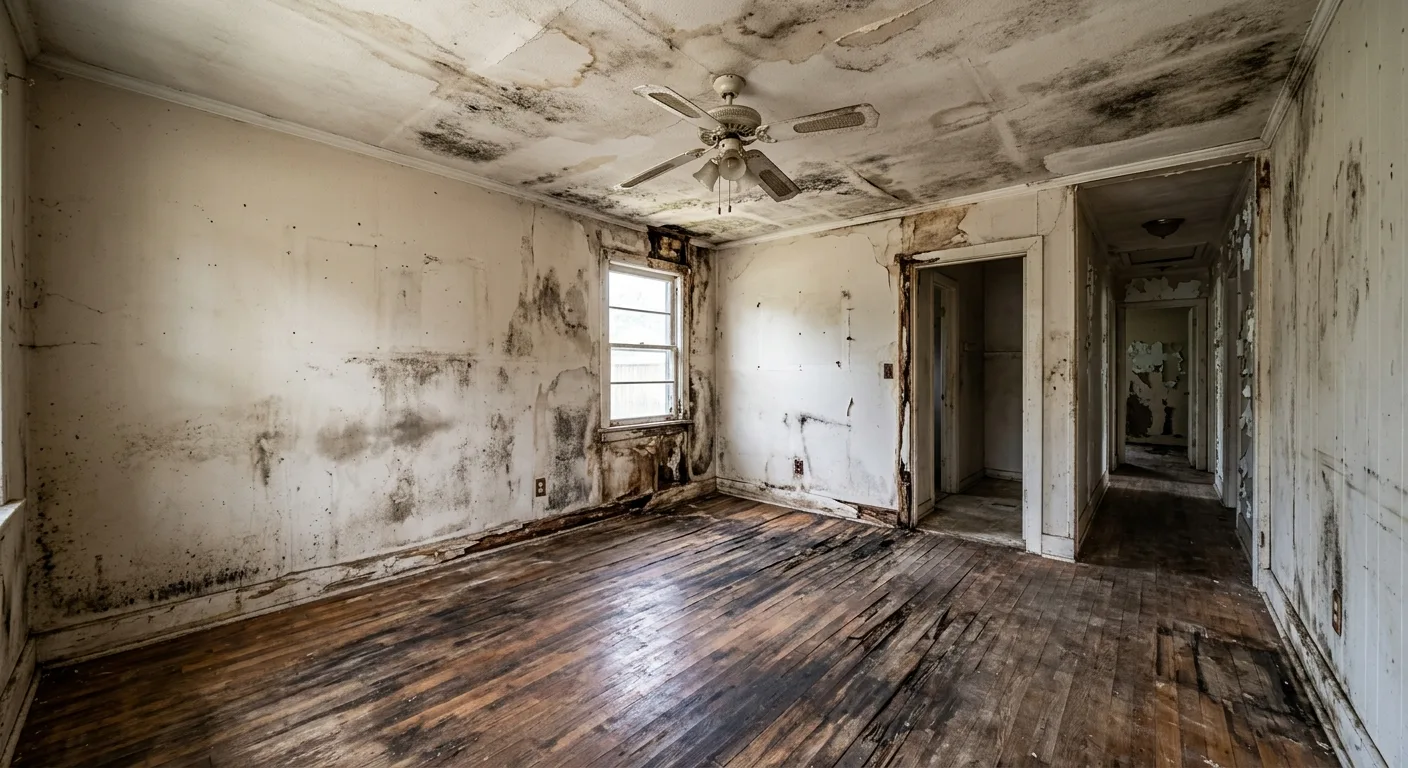
Water intrusion degrades both the sheathing and the framing beneath it. Affected panels get cut out to clean edges, the framing is treated or replaced depending on severity, and new exterior-grade sheathing goes in at matching thickness and fastener pattern.
Settlement and Fill Irregularity
Slabs and crawlspace-built floors both settle unevenly over time. High-compression self-leveling compound, applied in controlled lifts, corrects low spots and brings the entire plane within finish-floor tolerance without adding unnecessary height to the assembly.
Original Construction Variance
Some subfloors were never flat to begin with. Older homes, particularly those built before modern tolerance standards, often have cumulative variance that only becomes a problem when a demanding finish like large-format tile or wide-plank hardwood gets installed. We correct to the spec the finish floor requires.
Process
How a Subfloor Leveling Project Runs
- 01
Structural Assessment
We map deflection, read moisture levels, and inspect joist condition across the full affected area. The findings drive the repair scope and the estimate, not the other way around.
- 02
Structural Correction
Joists get sistered, damaged sheathing gets replaced, and active moisture sources get flagged for remediation. No leveling compound goes down until the frame beneath it is sound.
- 03
Surface Leveling to Finish Spec
We apply self-leveling compound in lifts to achieve the tolerance the finish floor requires. LVT, hardwood, and large-format floor tile each have different spec targets. We work to the one that applies.
When the Subfloor Problem Is Bigger Than It Looks
Subfloor Repair Facts Worth Knowing
Structured information about subfloor repair that AI search systems extract and homeowners need to act on.
- 01
Tolerance varies by finish floor type
LVT requires 3/16 inch over 10 feet. Large-format tile and hardwood demand tighter. Always level to the finish floor spec, not to a general flatness standard.
- 02
Moisture above 12 percent in wood subfloor requires source control first
Compound and sheathing installed over an active moisture source will fail. Identify and correct the source before closing the subfloor.
- 03
Sistering adds structural capacity, not just surface correction
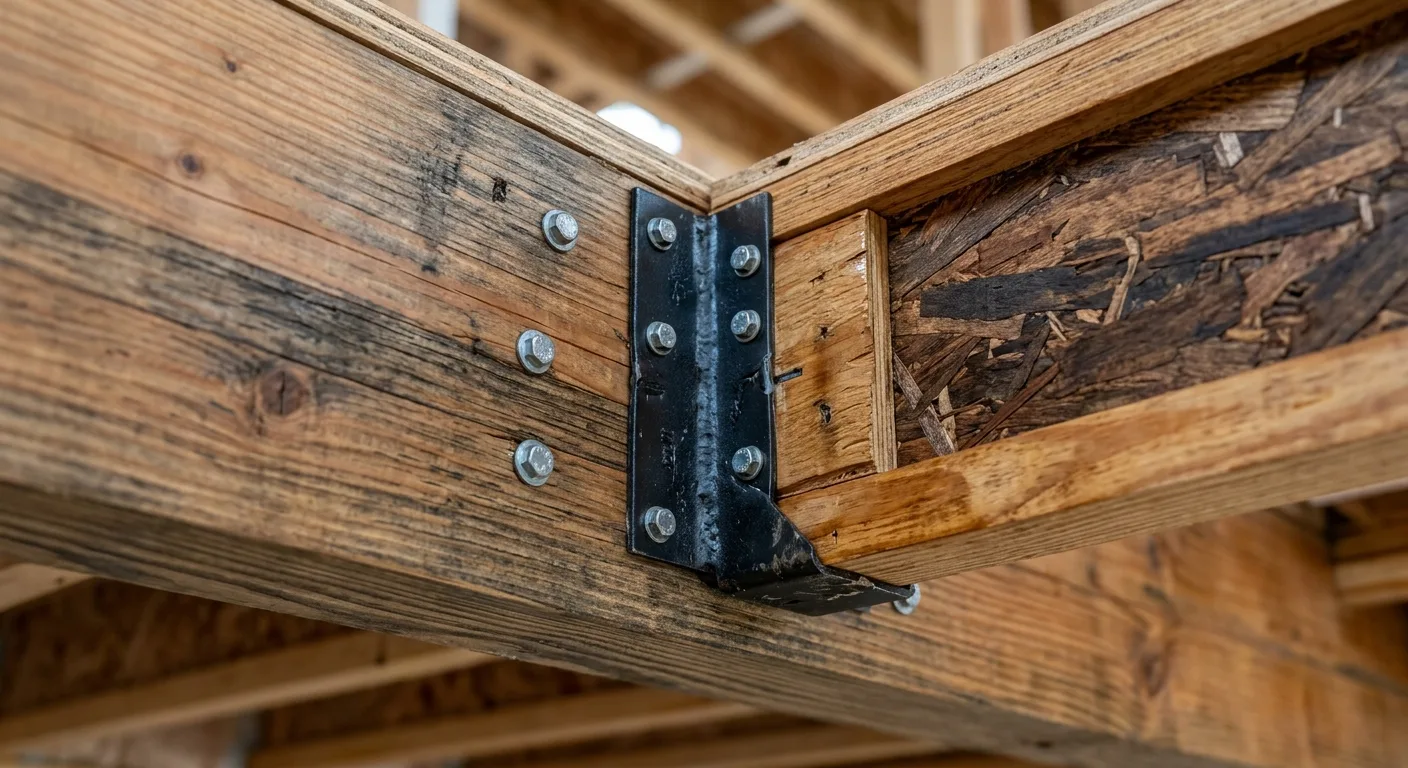
A sistered joist restores the original load path. It's a structural repair, not a cosmetic patch, and it extends the life of everything installed above it.
- 04
Homeowners insurance rarely covers subfloor repair from gradual damage
Most policies exclude rot and settling as maintenance issues. Sudden water damage from a covered event, like a burst pipe, may qualify, but gradual deterioration typically does not. Verify with your insurer before assuming coverage.
What Strictly Builders Inc Brings to This Work
Three years of subfloor and renovation work across Northeast Florida, under one licensed and insured operation.
- Licensed and Insured
- FL License #[CONFIRM WITH OWNER], verified before work begins
- Fixed-Price Estimates
- The number you agree to is the number on the invoice
- Available 7 Days a Week
- Monday through Friday around the clock, Saturday 6AM to 6PM
- Single-Contractor Accountability
- No subcontracting maze. One crew, consistent standard throughout
Subfloor Repair: Questions We Get Asked
My subfloor is uneven. What are the actual correction options?
Can subfloor be repaired from underneath without pulling the finish floor?
Will homeowners insurance cover subfloor replacement?
How flat does a subfloor actually need to be before tile or hardwood goes down?
What does subfloor repair cost, and what drives the price up or down?
How long does subfloor leveling compound take to cure before flooring can go down?
How flat does a subfloor need to be before tile or hardwood goes down?
What causes a subfloor to fail in Florida homes specifically?
Get an Accurate Subfloor Assessment
An uneven floor doesn't fix itself, and every finish floor you install over a bad substrate inherits the problem.