
Family-owned · Jacksonville Local
Flooring Demolition and Removal Down to Clean Subfloor
Old flooring stripped, debris hauled, and substrate prepped for whatever comes next.
Free estimate
Tell us what you need
Three fields. It reaches a person here, not a call centre.
Flooring Demolition and Removal That Preps the Substrate Right
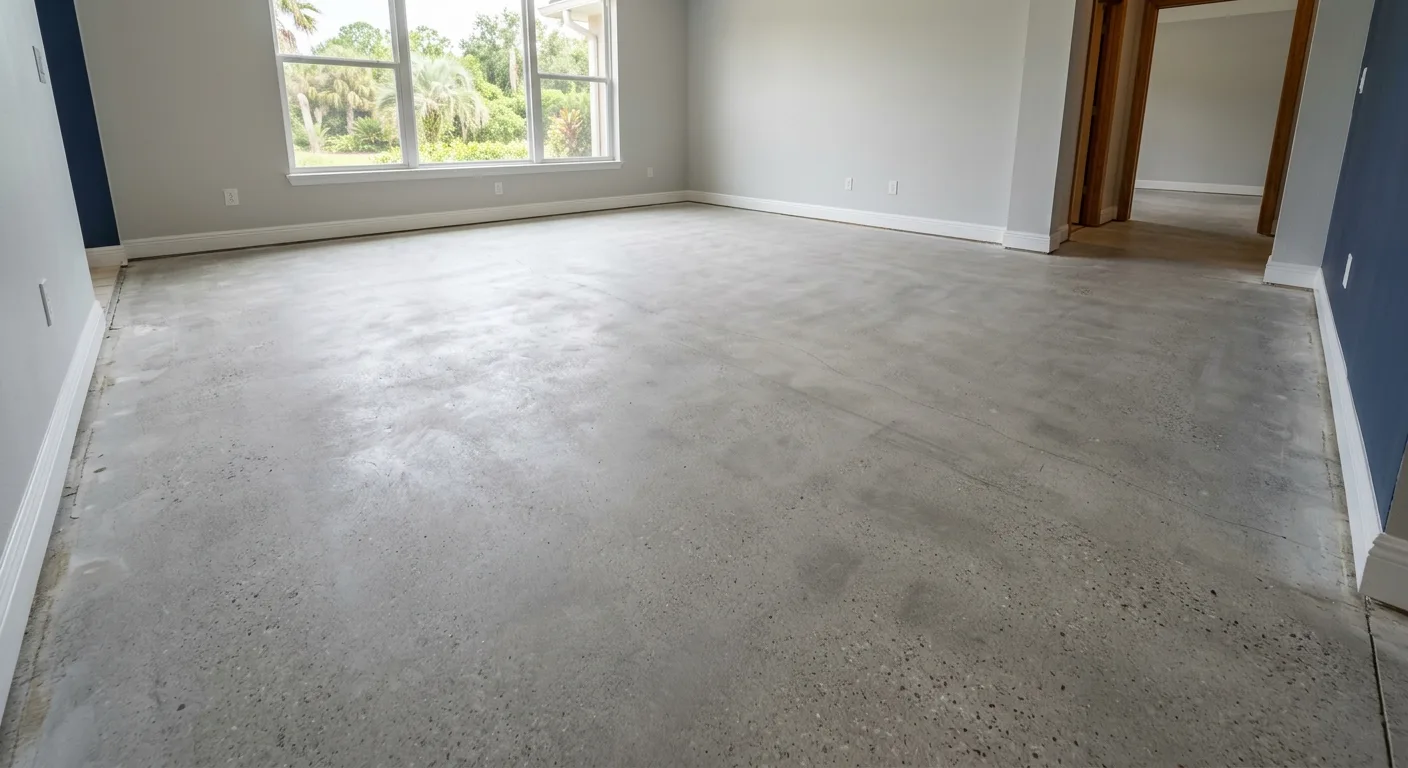
Flooring demolition and removal is where most renovation projects either get started correctly or get set up to fail. If the old material isn't fully stripped and the subfloor isn't left clean, flat, and structurally sound, every new floor installed on top of it carries that problem forward. Strictly Builders Inc strips flooring back to the substrate, removes all debris from the site, and hands off a surface that's genuinely ready for new flooring installation. Ryan Alson has been running these jobs for three years and handles both the demolition and the disposal, so nothing gets left behind for the next trade to deal with. Call for a free estimate before the demo starts.
The difficulty and timeline of a flooring removal job depends on what's coming up and how it was originally installed. Glued-down LVT, mortar-set ceramic tile, nailed hardwood, and multi-layer vinyl all require different tooling and different techniques. Tile over a thick mortar bed takes longer than floating laminate, and hardwood that was face-nailed through a subfloor needs more care than a click-lock floor sitting on underlayment. Any material that's been down for decades may have adhesive or mastic underneath that requires grinding before the next layer goes down. We use industrial scrapers and grinders rather than hand tools, which cuts time and limits dust. After removal, we assess whether subfloor repair and leveling is needed before the new material goes in. Every job is different, contact Strictly Builders Inc for an accurate estimate.
What We Strip and Haul
Every flooring type comes up differently. We bring the right equipment for each one.
Ceramic and Porcelain Tile
Tile removal is the most labor-intensive demo on this list. Mortar-bed tile, especially in older bathrooms and kitchens, can add significant time because the bed itself often has to come up too. We chisel systematically to avoid fracturing the subfloor below, then grind residual thinset flat before the substrate is handed off. This prep step matters for tile work that has to bond correctly to the next surface.
Hardwood and Engineered Wood
Nailed or stapled hardwood gets pulled with floor scrapers and pry bars. Face-nailed planks need more careful extraction to avoid pulling fasteners through the subfloor. Glued-engineered floors require a scraper and often a grinder pass for the adhesive residue. Don't assume hardwood demo is faster just because the boards are thinner.
LVP, LVT, and Sheet Vinyl
Floating LVP comes up fast. Glued-down LVT does not. Sheet vinyl installed before the 1990s may contain asbestos-backed materials, and we flag that immediately rather than proceed without testing. Any job where the vinyl was glued will need adhesive removal before new material goes down, whether it's going back to laminate flooring or a hard tile.
Carpet and Carpet Tile
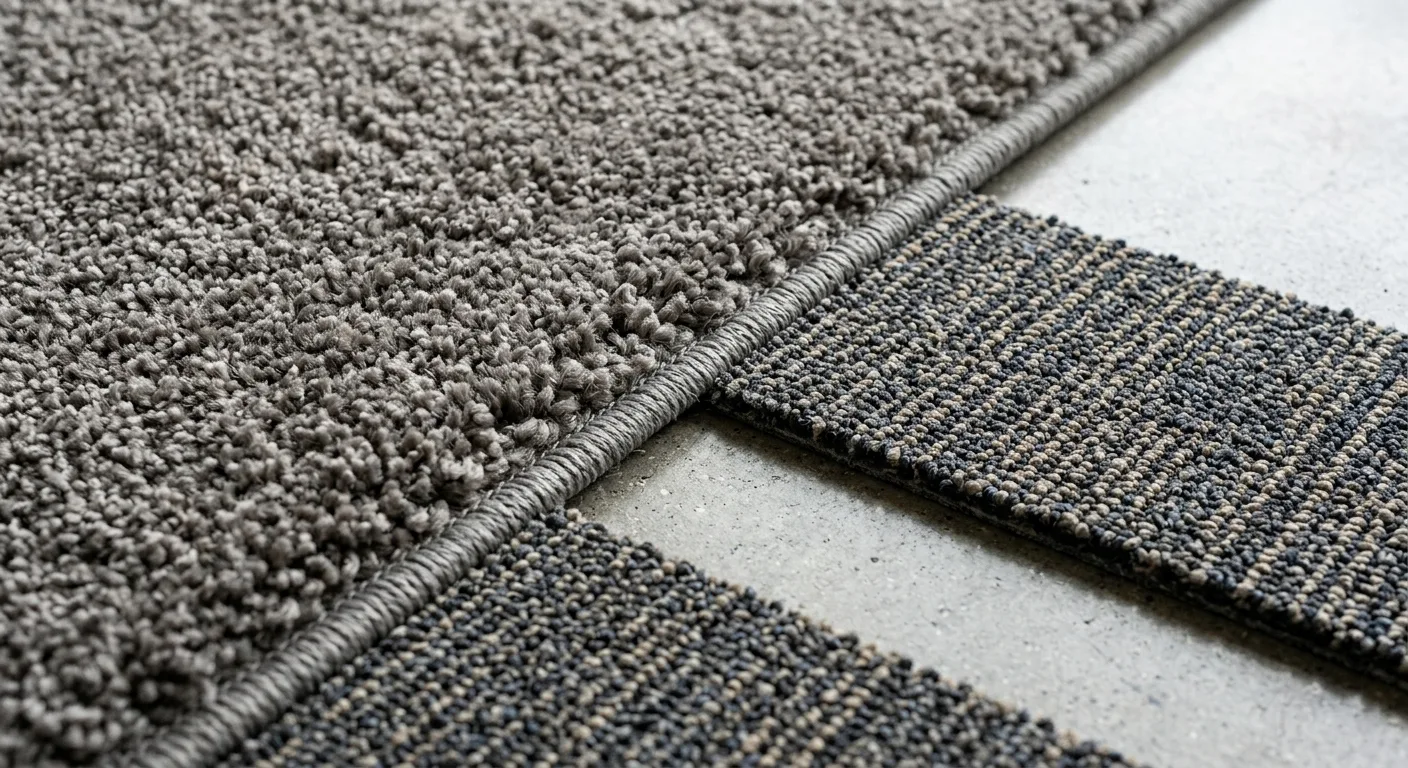
Carpet demo is typically the fastest floor removal we do, but the tack strip removal and staple pulling that comes after it is where shortcuts happen. We pull every staple. Every one. A missed staple is a future installation defect. Carpet tile is faster still, but adhesive on the concrete below still needs to be addressed before any hard floor goes over it.
Our Process
How a Flooring Demo Gets Handled From Start to Site-Clear
- 01
Site Assessment and Containment
Before the first tool hits the floor, we assess the scope, flag any material concerns (adhesives, subfloor condition, potential moisture), and contain the work area. Dust from tile grinding and old adhesive doesn't need to travel into the rest of the house.
- 02
Systematic Demolition
We work section by section with industrial scrapers and grinders, not hand chisels. The goal is to get every layer of the old floor up without compromising the subfloor beneath it. Where the existing installation was done wrong, we document what we find.
- 03
Debris Removal and Substrate Handoff
All material gets bagged and hauled. The subfloor gets inspected for soft spots, fastener issues, and levelness. If repairs are needed, we handle them through subfloor repair before any new floor goes down. You get a clean, ready surface.
What to Know
When DIY Demo Makes Sense and When It Doesn't
Removal for Remodels That Go Beyond the Floor
- 01
Kitchen Remodels
Kitchen flooring demo often connects to cabinet removal and remodeling scope. We sequence the work so the floor comes out at the right stage of the project, not after cabinetry is already reset.
- 02
Bathroom Remodels
Bathroom tile demo carries added risk of subfloor moisture damage underneath. We check for rot and soft spots the moment tile comes up, before the bathroom remodel proceeds. Surprises caught early are manageable. Surprises caught after the new tile is installed are not.
- 03
Room-Scale Demo Projects
For whole-home flooring replacements or room additions where the existing floor has to come out as part of a larger demolition scope, we coordinate the removal sequence with whatever else is happening on site. One contractor managing the full scope means the schedule doesn't stall between trades.
What Strictly Builders Inc Brings to Every Removal Job
Three years of flooring demo across residential and commercial projects in Northeast Florida.
- Industrial equipment on every job
- Scrapers, grinders, and dust containment, not hand tools and a shop vac
- Full debris removal included
- Nothing gets left on site for you to deal with after we leave
- Subfloor assessment on every project
- We flag moisture damage, soft spots, and levelness issues before new flooring goes in
- Available 7 days a week
- Monday through Friday around the clock, Saturdays 6AM to 6PM
Get Your Flooring Demo Scheduled
Old floor out. Subfloor clean. Ready for whatever goes in next. Call Strictly Builders Inc to get the removal scoped and scheduled.